
Specs
| Brand | Timberland Pro |
|---|---|
| Style | A1V98 |
| Gender | Unisex |
| Metatarsal guard | No |
| Electrical hazard (EH) | No |
| Static dissipative (ESD) | No |
| Puncture resistant | No |
| Waterproof | No |
| Slip resistant | No |
| Oil resistant | No |
| Heat resistant | No |
| Abrasion resistant | No |
Free shipping on orders $100+
Join & Save


Free shipping on orders $100+
| Brand | Timberland Pro |
|---|---|
| Style | A1V98 |
| Gender | Unisex |
| Metatarsal guard | No |
| Electrical hazard (EH) | No |
| Static dissipative (ESD) | No |
| Puncture resistant | No |
| Waterproof | No |
| Slip resistant | No |
| Oil resistant | No |
| Heat resistant | No |
| Abrasion resistant | No |

The traditional safety toe. A steel cap built into the toe of the boot protects your toes from falling objects and crushing loads.
Safety toes rated to ASTM F2413 are tested for impact (I/75: 75 foot-pounds) and compression (C/75: 2,500 pounds).

A non-metal safety toe made from materials such as fiberglass, plastic, Kevlar or carbon fiber.
Safety toes rated to ASTM F2413 are tested for impact (I/75: 75 foot-pounds) and compression (C/75: 2,500 pounds).

A safety toe made from lightweight metals such as aluminum or titanium.
Safety toes rated to ASTM F2413 are tested for impact (I/75: 75 foot-pounds) and compression (C/75: 2,500 pounds).
An alloy safety toe made from aluminum.
Safety toes rated to ASTM F2413 are tested for impact (I/75: 75 foot-pounds) and compression (C/75: 2,500 pounds).
A non-metal safety toe made from carbon fiber.
Safety toes rated to ASTM F2413 are tested for impact (I/75: 75 foot-pounds) and compression (C/75: 2,500 pounds).

An oversized toe box that gives your toes extra room to spread out and move. A good choice if you have wide feet or find standard safety toes pinch across the front of the foot.

A guard over the top of the foot that protects the metatarsal bones (the long bones between your toes and ankle) from falling and rolling objects. Safety toes only protect the toes; a met guard covers the area behind them.
Met guards rated to ASTM F2413 (Mt/75) are tested for an impact of 75 foot-pounds. Often required in steel mills, foundries, and heavy construction.

Electrical hazard (EH) rated footwear provides a secondary source of protection against accidental contact with live electrical circuits.
Under ASTM F2413, EH footwear is tested to withstand 18,000 volts at 60 Hz for one minute, with no more than 1.0 mA of current flow or leakage, under dry conditions.
EH protection is reduced by wet conditions and by wear to the outsole, and it is not a replacement for other electrical safety equipment.

Static dissipative (SD or ESD) footwear reduces the buildup of static electricity on your body by conducting it through the footwear to the ground, while keeping enough resistance to offer some protection against electrical shock.
Used where a static discharge could damage sensitive electronics or ignite flammable materials. It is a different rating from Electrical Hazard (EH).

A puncture-resistant plate built into the sole protects the bottom of your foot from nails, screws, glass and other sharp objects.
Footwear rated puncture resistant (PR) under ASTM F2413 is tested to withstand a puncture force of 270 pounds.

Waterproof boots use a waterproof membrane and/or sealed seams to keep water out, so your feet stay dry in rain, mud, puddles and wet job sites. Many waterproof membranes are also breathable, letting sweat vapor escape.

Insulation holds in warmth for cold-weather work. It is usually measured in grams: the higher the number, the warmer the boot.
This boot’s insulation is listed in the Specs tab.

Slip-resistant outsoles combine a grippy rubber compound with a tread pattern designed to channel away water and oil, giving better traction on wet, oily or slick floors.
Manufacturers test their own outsoles, and no outsole is slip-proof on every surface.

Oil-resistant outsoles resist swelling, softening and breaking down when exposed to oil, fuel and other petroleum products, so they last longer in garages, shops and plants.

Heat-resistant outsoles are made from compounds that hold up to brief contact with hot surfaces such as asphalt, roofing and hot equipment without melting or deforming.
The maximum temperature varies by boot and brand.

Abrasion-resistant materials stand up to scuffing, scraping and wear on rough surfaces such as concrete, gravel and rebar, so the boot lasts longer.
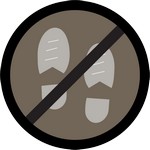
Non-marking outsoles won’t leave black scuff marks on finished floors, which makes them a good choice for indoor work, warehouses, gyms and customers’ homes.

This footwear is made in the United States by the manufacturer.

